

Several people have asked me to write a guide to Doctor Who, so here it is. I think most readers will be familiar with the show so I won’t waste time introducing it. Suffice it to say, we’re talking about a somewhat silly family sci-fi show, but one that frequently had soul, style, humour, and a lot of warmth. As with so much contemporaneous TV drama, Doctor Who had charm that seems to be simply impossible to achieve nowadays.
This guide is a difficult one to write because there are simply so many stories to survey, and because the show has multiple eras which are very distinct - almost different TV shows altogether. (Broadly, I would say the eras are 1963-69, 1970-81, 1982-87, and 1988-89.)
The revival (2005 onwards) is a separate matter. Although I did learn a lot of factual details about it in the course of writing The Seeds of Gay Doom, I haven’t actually watched a great deal - maybe 40 stories out of the 150+. Some of them are objectively good but it is just not my kind of thing, so this guide will cover only the “classic” series.
I am much more familiar with that, from 1970 onwards. I will recommend those stories which are my personal favourites, those I think are “necessary”, “must-watch”, etc. and some I think are unusual enough to deserve attention for that alone.
Something you will notice is that I talk about the incidental music almost as much as the stories themselves. I find Doctor Who’s music, across the various eras, very stimulating and enjoyable in its own right. (This indicates how big a part it must play in the show itself.)
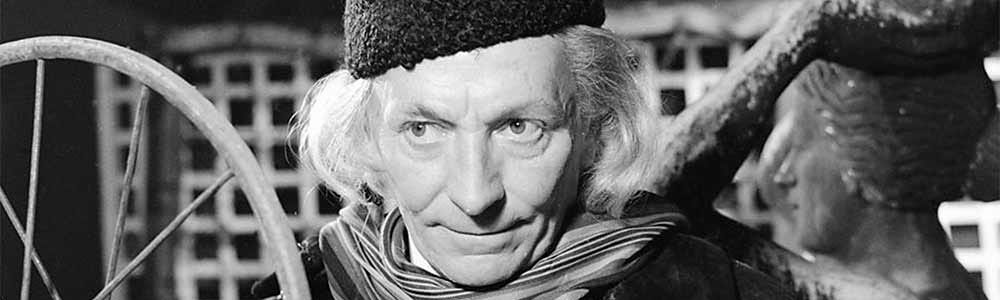
The First Doctor was played by William Hartnell. This was Doctor Who at its very beginnings, in 1963, so it is radically different not only from the modern 2005 show but even from the Pertwee era seven years later, by which time TV production had advanced in leaps and bounds.
I must confess to being barely acquainted with Hartnell’s era, having watched only four or five stories in total. It is too slow-moving for my tastes. However, I can certainly recommend one episode…
An Unearthly Child
This is the very first episode. Though it is technically the first of a four-part story, it is really a “standalone” episode to set up the programme. The introduction of now-iconic elements is beautifully done. Everything at this stage seems darker and more mysterious than it will later be. The Doctor is secretive, unfriendly and sinister. The TARDIS is scary and doesn’t seem reliable, its first “flight” being a genuinely unnerving experience.
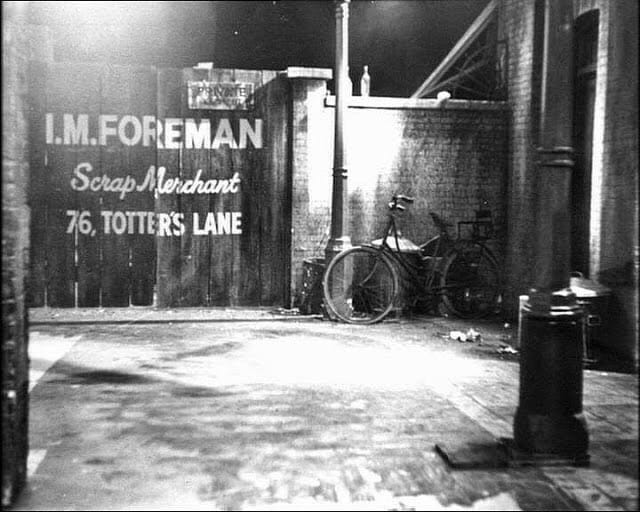
The atmosphere is terrific throughout. The whole thing is in grainy black & white reminiscent of a 1930s horror film. It is excellent, in my opinion. Had the show continued in this vein it would probably have been much shorter-lived but less lightweight. I guess things are always better while they still have their mystery.
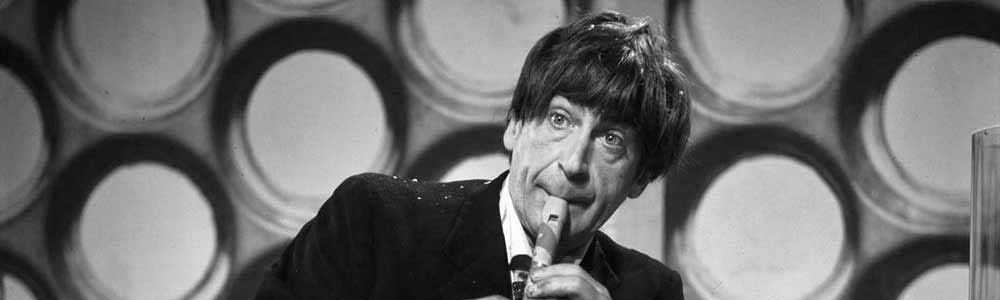
The Second Doctor was played by Patrick Troughton. He was perhaps the most talented - as an actor - of the men who played the role in the classic era. His turn on the character is much more playful and irreverent than Hartnell’s. I am again very unfamiliar with the era, so am somewhat at a loss for recommendations.
The Three Doctors
This is a cheat since this story is actually in the Third Doctor’s era, but I think the Second really dominates proceedings so it feels appropriate to cite this story as one of his. You get a strong sense of how different he is from the Third, whom Troughton effortlessly upstages. And it’s a good story.
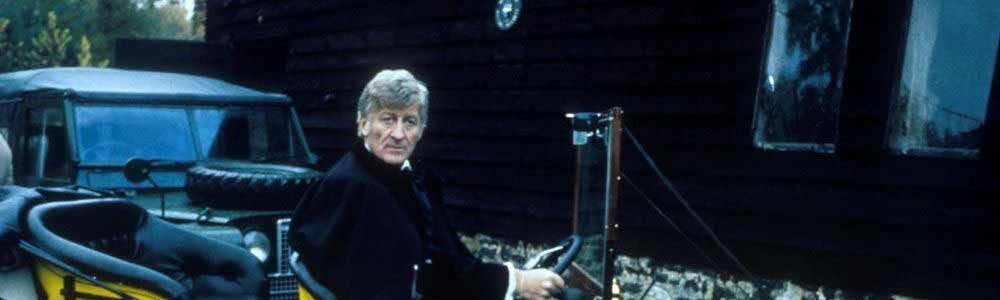
The Third Doctor was played by Jon Pertwee, then known mostly for comedy work. During most of this era the Doctor is confined to Earth, working as “scientific advisor” to UNIT led by the Brigadier, and battling his Timelord nemesis the Master. A lot of the stories are 6 or 7-parters, formats that work very well; there is more world-building than in the 4-parters, which start to seem slightly lacking by comparison.
The third was perhaps the least “alien” incarnation of the Doctor. You can easily imagine him being a heroic leader in the Empire or a maverick figure in British government or business, up to about 1970 (after which such mavericks were tamed or filtered out by bureaucracy). Aristocratic but still practical and “a man of action”, he is constantly innovating and questioning, and being frustrated by the lack of imagination in the lesser men around him. But he is very much a man, not an alien. That choice was probably dictated by Pertwee’s own personality, and it would be reversed when his successor arrived.
Nevertheless, this era was a peak for Doctor Who. The storytelling is very competent, the production style has real charm and the acting (RP galore!) is consistent and endearing. All of this means the stories bear rewatching, remaining enjoyable time after time.
In terms of choice, you can hardly go wrong with this era. The only bad stories are Carnival of Monsters and The Mutants, with the rest being uniformly great fun. Nevertheless, here are some highlights:
Inferno
Great tension and fear in this intense 7-parter which manages to retain momentum throughout. It is genuinely terrifying because it is executed with total seriousness and earnestness, without any of the irony that so taints contemporary drama.
The Mind of Evil
An unnerving 6-parter about a sadistic machine. Good character moments and a plot complex enough to fill the duration. There is lovely location footage of early ‘70s London in the autumn, and radiophonic bliss with the creamy analogue sound effects. Dudley Simpson’s score is a classic one (though in Part 1 it is at times slightly incongruous with the action on-screen). His talent for giving each story a unique tone is unrivalled. Here the machine gets a leitmotif that perfectly evokes malice and driving, predacious cruelty. (Simpson reworked some of the cues from this score into a 7” B-side.)
The Silurians
Regarded as one of Pertwee’s best outings, this is a fast-moving 7-parter that never meanders. There are good characters, including an electric performance by Peter Miles and a warm showing by Fulton Mackay. The writer Malcolm Hulke handles the conflict between the two sides (human and Silurian) well, with believable dynamics and twists as the events unfold. The rural and the urban are both well-conveyed, from a Derbyshire farmyard to Marylebone Station in London (although even that, fifty years on, seems quaint). The score by Carey Blyton takes some getting used to but surprisingly you do get used to it, and it works well.
The Ambassadors of Death
Another 7-parter, this one could probably be shorter but it succeeds in building tension and mystery, with a few bits of action thrown in as well. There’s a nice set for General Carrington’s hideout/laboratory, and good turns by various actors. I like that, at the end of it all, the General isn’t really a villain, but a good man trying to do his duty. Also notable is the innovative score by Dudley Simpson, again showing his talent for creating distinct leitmotifs for particular story elements - for example, his unlikely theme for the “ambassadors” themselves which gives the story a strange dreamy feel. (This is a choice that would never be made today, but works beautifully.)
The Sea Devils
A sequel to The Silurians and written by the same man, this sees the Doctor once again trying to avert war between humans and an advanced prehistoric race, but this time thwarted by the Master. It is less “homely” than The Silurians but has a personality of its own, especially with all the nautical material. I love the sets for the abandoned sea fort and was hoping for a “base under siege” caper in there (which, to be fair, does happen briefly).
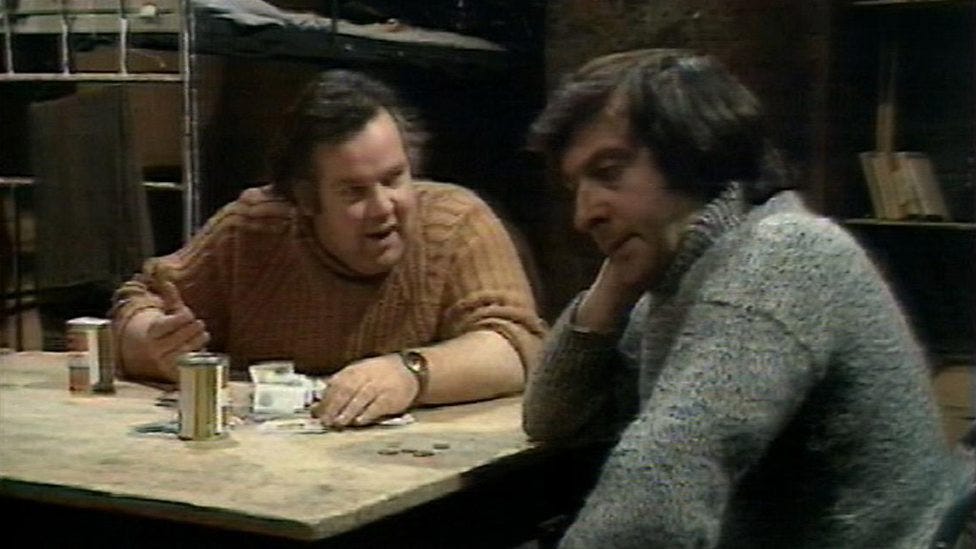
One can’t discuss this story without mentioning that it has undoubtedly the craziest incidental score in the show’s history, by Malcolm Clarke. Experimental and sometimes incongruous with the action on-screen, it is extremely unorthodox but oddly works, and definitely gives the story a memorable flavour. Here is a medley of its more musical sections.
The Time Warrior
Written by series stalwart Robert Holmes, this swashbuckling adventure set in the 13th Century is terrific storytelling, full of excitement, humour and atmosphere. As well as nice music by Dudley Simpson, I enjoy the sense of medieval England - the muscular phrases, the cosy castle sets, the meat on wooden tables, and the red wine sloshing around.
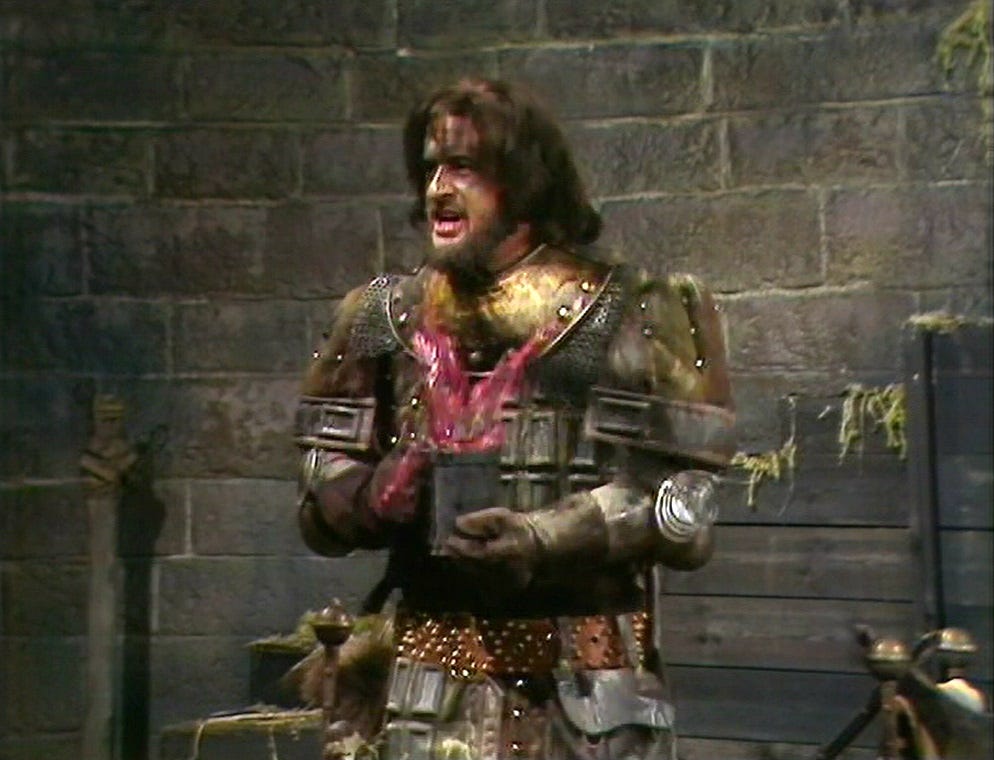
This probably should have been a 6-parter, the characters are just so engaging. I love the robber baron Irongron, played with absurd arrogance and bravado by David Daker. His interplay with the alien Linx is so much fun, I could imagine a spin-off series with the two of them. Even a series just about Irongron - maybe showing how he took the castle in the first place - would have been good, so enjoyable is Daker’s performance.
Invasion of the Dinosaurs
Because of the title, I wasn’t in a rush to watch this story. It ended up being the last Pertwee story I got around to. Imagine my surprise when it turned out to be very good! This was another Malcolm Hulke 6-parter, and it never runs out of steam. Of course the dinosaur effects are bad - as bad as you would expect of a low-budget British TV production of 1974 - but the story is complex and full of surprises, the tone nicely maintained throughout, and it leaves you with some genuine moral questions. Also there are cute “London Underground” sets.
Death to the Daleks
This story gets a drubbing from fans but I like it - perhaps biased because I had it on VHS at the age of six. The early scenes with Sarah in the TARDIS are scary, as are the murderous “roots” and the tribal chanting of the Exxilons in their temple. The ancient yet highly-advanced city is an interesting concept nicely realised. Scottish actor Duncan Lamont is good as a disgruntled astronaut - it’s amusing to hear his Glaswegian tones berating the Exxilon workers for being “idle”. Carey Blyton’s incidental score, which again fans tend to hate, I think works well most of the time, and at certain points is very effective indeed.
Planet of the Spiders
This story shares the concern about cults that seems to have pervaded the early ‘70s. (A bunch of misfits sitting in a dark room doing some ritual… I’ve seen it in quite a few TV dramas from this era.) Great atmosphere and tension on Earth, though things are less successful on Metebelis 3. The critique of female power-seeking is interesting - definitely couldn’t be done nowadays. The villain Lupton is well-written and played by John Dearth - very dark and sinister. By contrast, the arc of the character Tommy is lovely to watch.
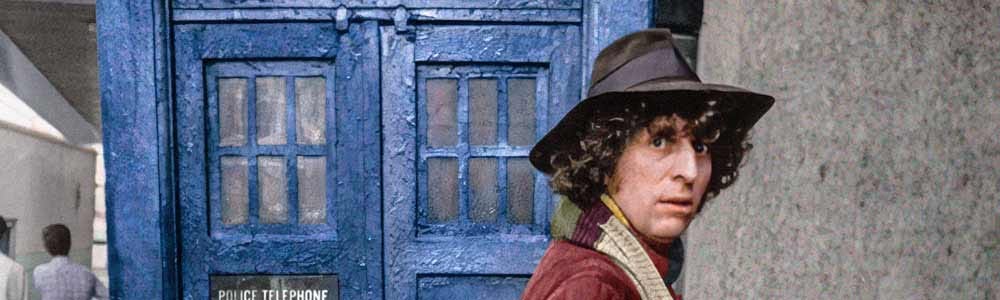
The Fourth Doctor was played by Tom Baker, a theatrical actor with a very eccentric presence, but capable of great gravitas. His version of the character seems like a bohemian, upper-middle-class explorer or inveterate traveller - a man eager to keep moving, but always intrigued by what he finds, yet always happy to say goodbye, yet always concerned for right and justice. He is generally regarded as “the best Doctor”.
The Ark in Space
Only Baker’s second story but his first “classic”. From the expert plotting, the iconic set design, Simpson’s haunting score and the array of well-chosen actors, this story deserves its status. It sees humanity at a bottleneck juncture in its history, its entire future hanging in the balance and depending on the heroism of a tiny number of people. The tension is very real: humanity, refined to a selected elite of survivors, lies helpless in cryostasis - completely vulnerable to fate, to accident, to sabotage, to predation. A legendary speech about homo sapiens by the Doctor lays out the stakes in Part 1.
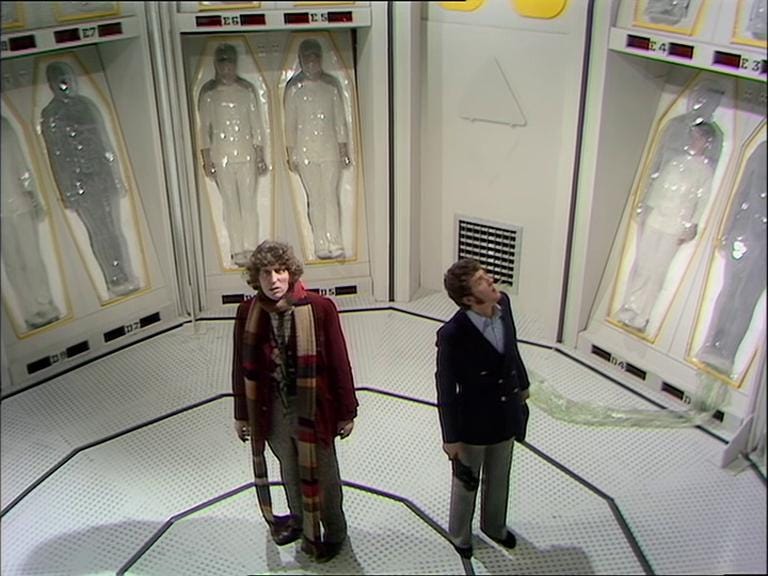
Less remarked upon is that this story features one of the most incredible voices I have ever heard: that of the High Minister, played by Gladys Spencer. “Heightened RP” has rarely been so heightened! All actresses should be trained to speak this way. Just beautiful. The scenes where her majestic voice intones over grim tragedy are among the best in the show’s history.
Genesis of the Daleks
Often regarded as the very best story from the classic run, this sees the Doctor intervening in history to try to prevent the daleks being created. Given this, we see how and why they were created, a genesis that is very interesting and believable yet probably isn’t what you would have guessed.
It takes place on the planet Skaro, ravaged after centuries of nuclear war between two peoples (Kaleds and Thals). There is a gritty, somewhat brutal tone as we see what life in such conditions would be like.
Incidentally, this story is the one that confirmed the daleks “are Nazis”, not Communists. The Third Reich references can be very heavy-handed:
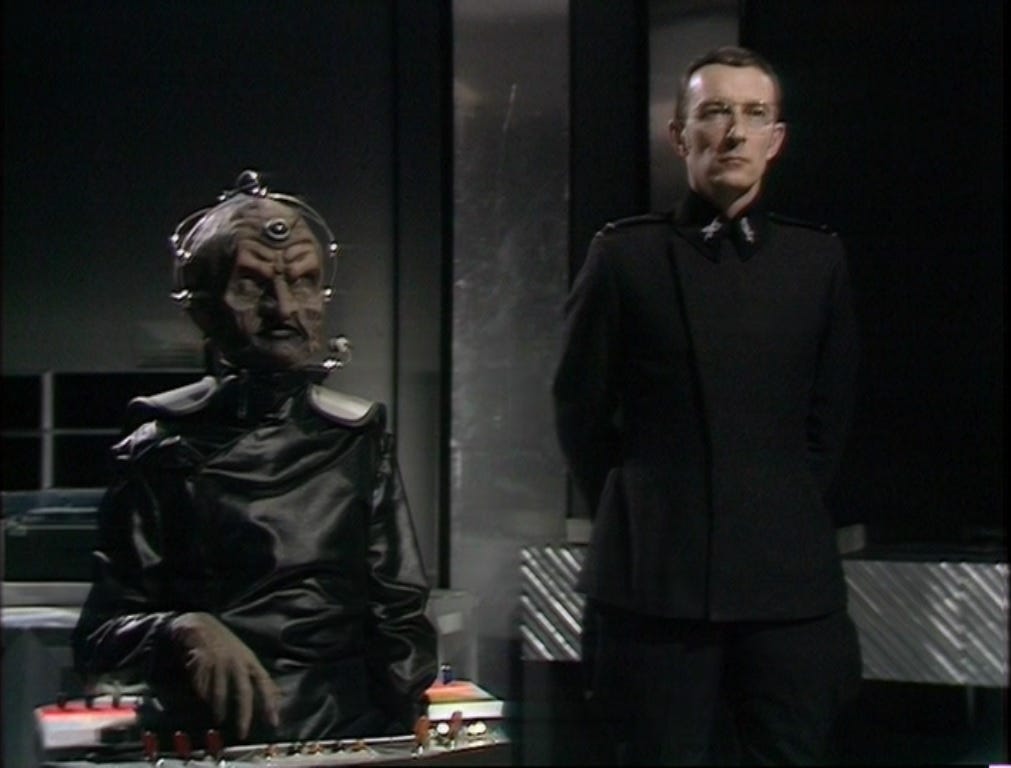
We are also introduced to the character of Davros. This original appearance (performed uniquely by Michael Wisher) cemented him as an iconic villain. Crippled and disfigured by some condition or accident that is not described, he is egomaniacal, ingenious and very ambitious. He is leading an elite of scientists in “the bunker” but must answer to the Kaled government. The dalek is his “solution” for that government, in both senses. Really, the story is as much the genesis of Davros (as we will later know him) since by the end of it he has completely shed the obstacles to his destiny and created the means by which he will eventually leave Skaro and terrorise the cosmos.
His machinations largely drive the plot in which the Doctor becomes a mere passenger reacting to events hopelessly. We see gradual descent to an inevitable conclusion. Along the way are multiple chances for the genesis to be averted… but fate gets in the way. It even seems likely that the Doctor’s intervention hastens the events.
A 6-parter, this story could have been shorter, but I’m glad it wasn’t. In fact, I’d have appreciated it being considerably longer and showing more of the two political worlds outside the bunker (especially the Kaled government). Though grim, it is enjoyable from start to finish and I think the scope could have sustained a full-season story. (That’s probably how it would be done now in the age of streaming.)
On the technical side, Davros’s voice modulation is the best it has ever been. There is good set design, especially for the bunker and the Thal rocket silo. And there is a memorable score by Dudley Simpson, too.
The Brain of Morbius
I personally think this story fails to live up to its potential but it is undeniably good and always gets cited among the show’s best. Epitomising the “sci-fi gothic” feel that this era’s producer was aiming for, the story riffs on Frankenstein, an allusion reinforced by the set design.
In the age of nanotechnology it is hard to imagine a scientist in the distant future needing to transplant a head or assemble a body from foreign pieces, but even in 1976 the handling of all this was somewhat tongue-in-cheek.
Philip Madoc plays the vain scientist Solon with relish, even while burdened with a hilarious hairstyle. His affected nonchalance when explaining why he abandoned the scientific mainstream always makes me smile: “Malice, academic jealousy… I just had to get away…”
There is also a female cult, the Sisterhood of Karn, a coven of irrational, obsessive young women - rampant sexual energy redirected as devotion to a cause. Meantime, their elder Maren is calm, careful - her youthful passions long spent - but remains just as devoted. It’s a memorable performance from Cynthia Grenville.
Horror of Fang Rock
You can’t really go wrong with a “base under siege” story in a lighthouse. The sets here are as cosy as one would expect. Unusually, the “outdoors” studio footage is on film (because done at Ealing) so it matches actual location footage, helping to sell the “outdoors” illusion. There are also beautiful model shots:
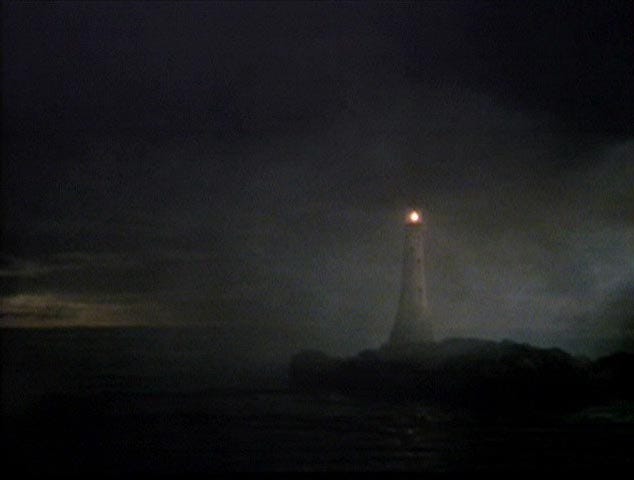
It’s an exciting and scary story with interesting characters. My one criticism is that the Doctor sometimes makes blatant mistakes which lead to characters needlessly dying. Other than that, this story (which was uniquely made at Pebble Mill in Birmingham rather than Television Centre) is great.
The Robots of Death
If you can get over the truly ridiculous make-up, this is an enjoyable “whodunnit” set on-board a large mining vehicle on some distant planet. The premise is interesting and the plot well-executed. My favourite element, though, is the model footage of the vehicle roving across the sandy landscape. It is beautifully done and could have featured more in the story. Directed by Michael E. Briant and written by Chris Boucher, this production prefigures the following year’s Blake’s 7, in which many of the actors seen here would crop up.
The Talons of Weng-Chiang
This Robert Holmes story richly deserves its hallowed status, being a classic in every way. The Fourth Doctor is at his best, sleuthing and quipping his way through Victorian streets, cellars and police stations in a perfectly-judged performance by Tom Baker. Also, Leela is both effective and adorable throughout.
Then there are the story’s own characters: Jago and Litefoot (who got their own audio spin-off), Chang (terrifically played by John Bennett) and Mr Sin (whose origins are so bizarre that when told they nearly tip the story into absurdity, except for the deadly seriousness of Tom Baker’s delivery). There is also a fun cameo from Patsy Smart as a deranged tramp. Then there is Holmes’ shameless use of stereotypes: Irish stagehand Casey, a weary Cockney slattern, and several Victorian policemen straight out of Punch magazine.
All of these characters bob in and out of a complex plot where, nonetheless, everything makes sense.
The production is intensely atmospheric, both on luminous 16mm film and grainy analogue video. 19th Century London has rarely seemed this charming or chilling. Shortcomings in special effects (such as the hilarious “giant rat”) can and must be forgiven.
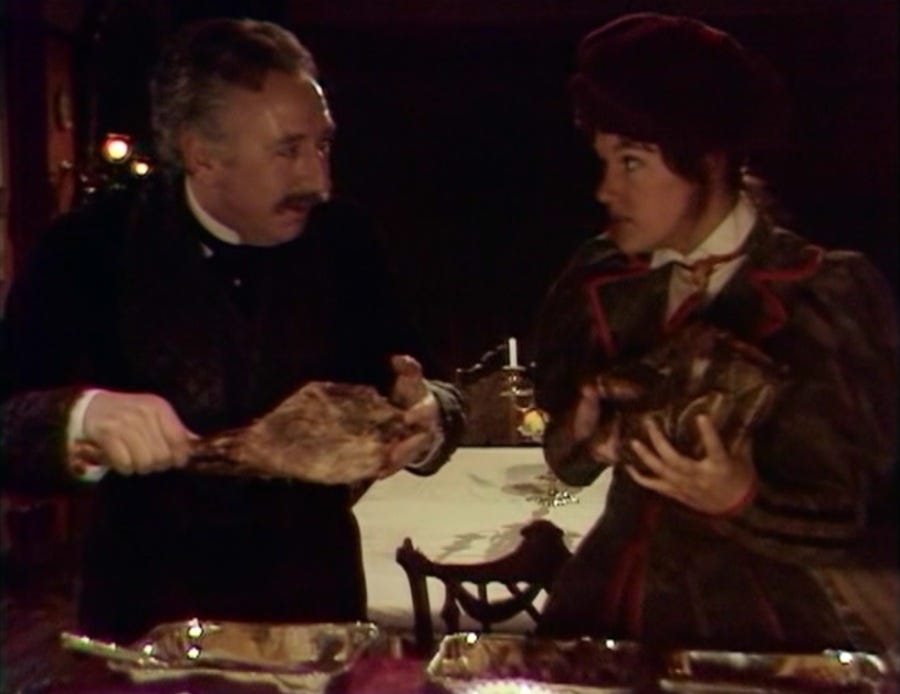
Blending off-beat sci-fi with delightful Victoriana, this may be Holmes at his very best. Not content with providing a ripping yarn, he sprinkles it with little moments that don’t need to be there but are such fun. For example, the joyous supper scene between Litefoot and Leela:
This story is a guilty pleasure for liberal Whovians because of its racial element. Most painful for them is the “yellowing up” of John Bennett to play Chang. Incredibly, the Doctor makes a racist remark at one point. Throughout, the Chinese are “othered” by the English. Victorian London is clearly not “multicultural”: the Chinese are virtually all in Limehouse, and everywhere else they are outsiders, aliens, strangers. Moreover, there is blood and soil identity: Litefoot was born and grew up in China yet still he is an Englishman, who even considers the Chinese “a strange bunch”.
City of Death
I’m actually not terribly keen on this story, since it was shot in France and thus feels out-of-keeping. However, it is objectively a good story with a very intriguing central premise. Julian Glover, always reliable, gives a good turn as the villain.
Warriors’ Gate
A flawed story but undeniably reaching for “new territory” in both writing and execution, this has a very novel premise and some interesting bits along the way. It’s also an orgy of analogue video effects - of course they don’t really stand the test of time but no viewer of vintage TV should expect that. Peter Howell serves up a haunting and inventive score. (The producer had fired Dudley Simpson and was using the Radiophonic Workshop for all incidental music, so the show has a very different feel from hereon.)
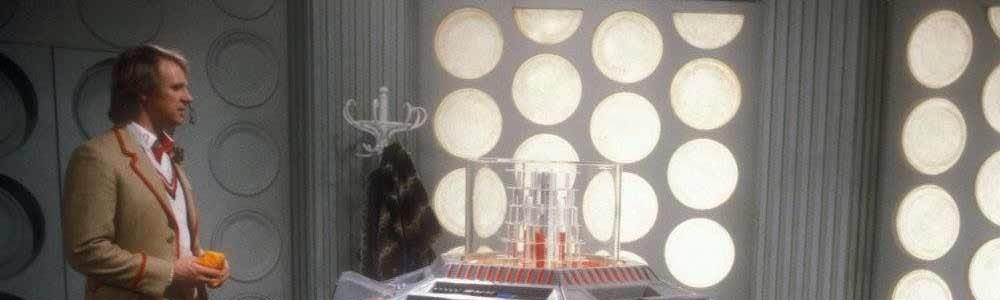
The Fifth Doctor was played by Peter Davison. He was, by his own later admission, too young for the role. His was also the most human incarnation, second to Pertwee. Unfortunately during his tenure the show was losing direction so in addition to his being ill-suited for the role, a lot of the stories are sub-standard and the general production style really lacks the charm of the previous era.
The Five Doctors
This is a bit of an unfair choice because Davison has to share the stage with four other Doctors, but it is a good story - in spite of what many people say. Also, it’s worth it just for the early scenes at the Eye of Orion, which has a landscape (and incidental music) that I love. Another bit of lovely music appears when the Second Doctor and the Brigadier are in a cave. I also love the music for the cybermen, especially during their shoot-out against the Raston Warrior Robot. Peter Howell really did a great job with this story.
Earthshock
This is a cyberman story but starts off seeming like something completely different. Good tension throughout. The early material in the caves is nicely-done, and I like the daring switch to an entirely different setting later on.
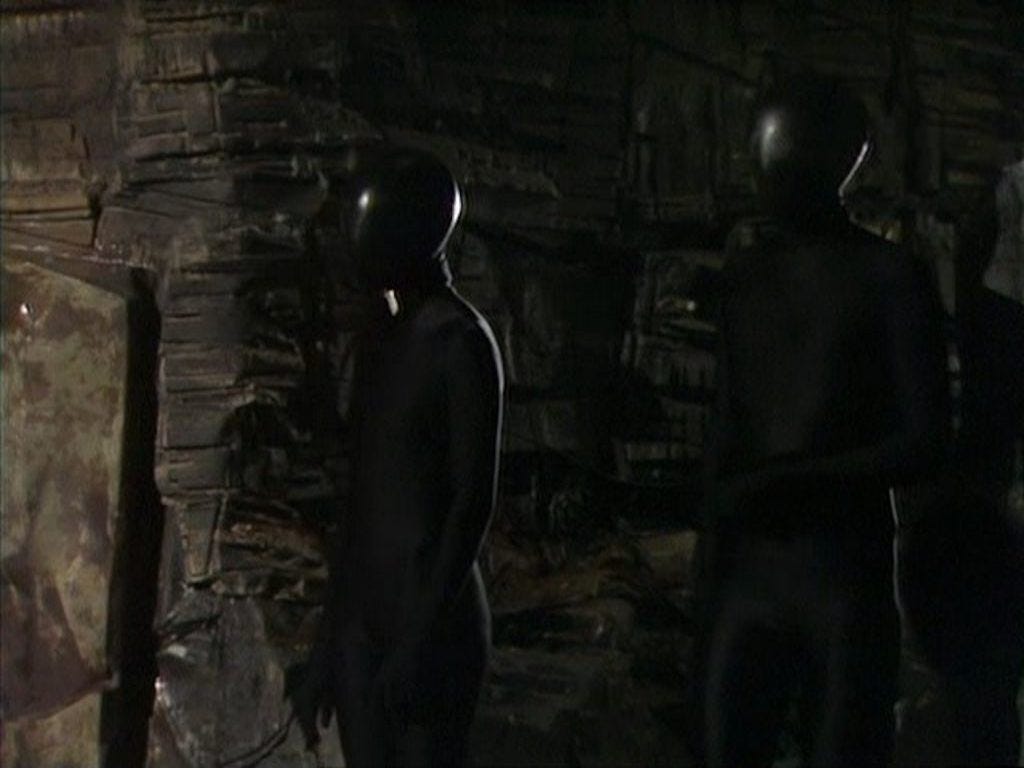
The freighter, too, is nicely-done, with good atmosphere and interesting dynamics between the various characters. And again, a beautiful soundtrack (the first by Malcolm Clarke since his Sea Devils excursion).
The Caves of Androzani
This story is famous for several things - being oddly Shakespearean at times, being the Fifth Doctor’s final story, and having a regeneration sequence that features cameos from past companions and the Master. It is also a damned good yarn in and of itself, Robert Holmes delivering a cracker which, properly, would have been his swansong in the series. The “villain”, or really anti hero, of Sharaz Jek is a truly memorable character. Morgus is a repulsive villain, and Stotz is just psychopathic enough to seem a genuine threat as well. This is exceptionally dark territory for Holmes with really no comic relief to be found, but very engaging.
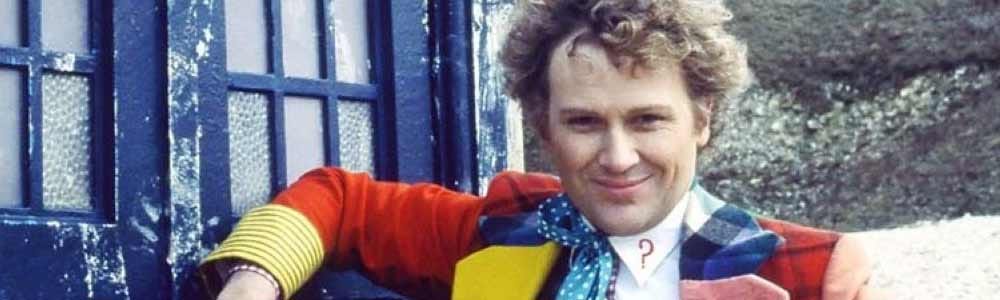
Generally regarded as the “worst” incarnation, the Sixth Doctor was played by Colin Baker. The show was really in the doldrums at this point so a decent and well-intentioned actor was under-served by bad scripts and bad guidance.
For his first season the show experimented with a 2x45-minute story format. I think it mostly works well and allows a more leisurely pace with lots of world-building. It foreshadows the 2005 revival (except better, because the entire story isn’t wrapped up in the first episode).
Vengeance on Varos
This is a fairly brutal story centring on the degrading effects that salacious mass entertainment has on the general public. As well as an ending that satisfies, it has the interesting device of a B-plot which is done on one set and is entirely separate from the main plot but serves to “make the point”. Also quite good set design and a nice mid ‘80s score.
Revelation of the Daleks
This isn’t a great story but it has good atmosphere and a vein of black humour. It is perfect for the 2x45 format - lots of world-building and well-sketched (if mostly grotesque) characters. Aristocratic assassin Orcini and his loyal squire are perhaps the saving grace in that department. The depiction of Davros is particularly unsettling. Prefiguring Gordon Gekko, he is at his control centre furiously making deals, receiving information, hatching schemes, and manipulating the greedy and the lost. Here he is in charge of humans for the first and only time, and he shows a keen grasp of psychology in getting his way, a unique call-back to how he operated in Genesis. A few too many characters die for my liking but the story is mostly successful and certainly memorable. There is some nice set design (really only let down by Davros’s lair) and also lovely winter filming on location, including at the distinctive IBM North Harbour site.
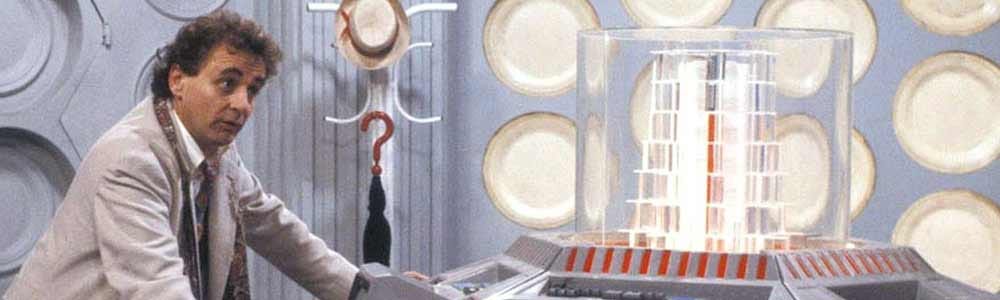
The Seventh Doctor was played by Sylvester McCoy, then mostly a comedy performer known for slapstick and surrealism. From Scotland, he “toned down” his accent but was nevertheless the first Doctor not to speak RP. Against his own form, McCoy brought a dark, brooding and mysterious air to the role which matched the direction the show evolved in during his three seasons. His first season is a hold-over from the previous era and not worth watching but his second and especially his third are much better.
In addition, from Colin Baker’s second season the producer had stopped using the Radiophonic Workshop and instead hired freelance composers to make the scores. Each of them - Dominic Glynn, Keff McCulloch and Mark Ayres - did everything himself, using analogue and digital synths as well as the new technology of samplers. Thus, the feel of the show changed again - for this and various other reasons as the 1990s approached.
Remembrance of the Daleks
This is the first Doctor Who story I ever saw and I was instantly hooked. It is generally regarded as McCoy’s best story and it is great. Atmospheric, fast-paced and well-plotted, with many thrilling special effects and a slew of interesting characters. Among them are two “fascists” but even they are portrayed quite sympathetically, not as cartoon villains. Cosy sets include Ratcliffe’s warehouse and the school cellar:
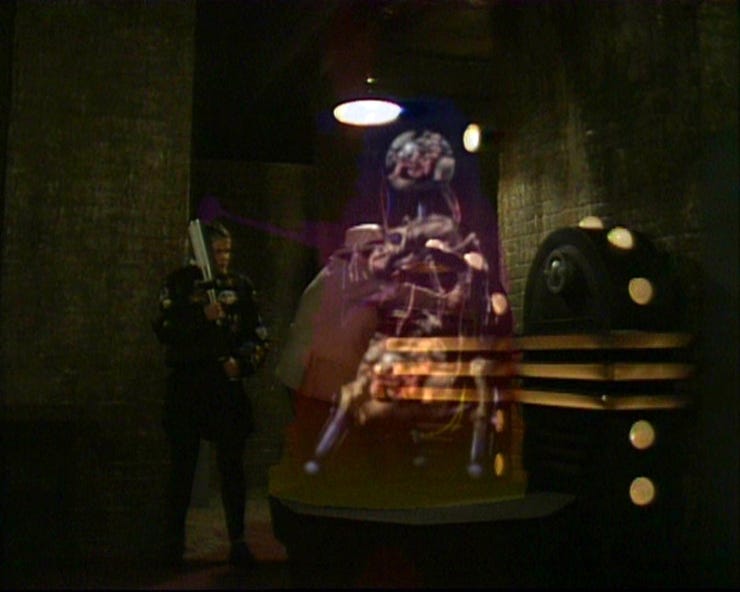
Keff McCulloch’s score is often mocked for being ridiculously “late ‘80s”, but it is effective and, among all the bombast, has three haunting sections. These sample-driven pieces accompany the scenes in the cemetery and help convey the idea of a London lost in the middle of the 20th Century - the old certainties all gone, the future blank and unnerving.
Ghost Light
This is probably my favourite Who story. Dark, stylish, theatrical and disturbing, it is like nothing else I have ever seen and demonstrates the kind of stories that this show, at this time, was uniquely capable of. Ostensibly a “haunted house” yarn, it quickly becomes something complicated and very new. It does struggle inside the three-episode frame and would have benefitted hugely from more room to breathe. The back-story is fascinating and original, unfolding slowly and requiring viewer concentration (key information is revealed casually and can easily be missed).
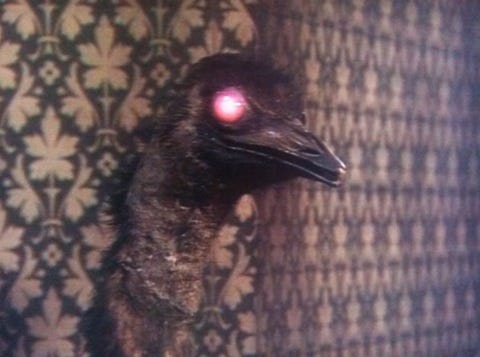
You also get a large ensemble of interesting and very unusual characters. While theatrical, the actors know when to dial things down, and the final scene between Gwendoline and Mrs Pritchard has moved me to tears.
It was shot on then-obsolete Link 125 cameras whose pick-up tubes argued with the low light resulting in a nice grainy image. With this and other factors, the production absolutely drips with atmosphere. Key to this is the lovely score by Mark Ayres, including the superlative track Loss of Control.
My only complaints about this story: it should have been four episodes and they should have kept its original title, “The Bestiary”.
The Curse of Fenric
While benefiting from the new “multi-layered” storytelling of its era, this also feels like quite a traditional Who story, which no doubt explains its popularity. As with Ghost Light, the back-story is as interesting as the actual story and has to be deciphered while the latter plays out. As well as an array of interesting characters, it has unnerving villains and some genuinely scary scenes. Also, in an example of the show’s new direction, there is a very moving arc about Ace’s relationship with her mother. It was by Ian Briggs who penned Dragonfire two seasons earlier, but here his writing is much matured.
Survival
Initially, this story is about coming back home and finding that everything has changed - an experience many of us have had. It evolves into a treatment of Thatcherite social policy which is perhaps a bit hackneyed but not overbearing. There is also a subtle lesbian subtext.
The alien planet is nicely conveyed - the standard Who quarry enhanced with newly-possible video effects. With dialogue, ideas and Glynn’s score, a very distinctive “tone” is achieved. Also, Anthony Ainley’s Master is uniquely vicious here, much more threatening than ever before.
This was the final story broadcast and is unlike any before it, with its scenes of working-class suburban London, shot entirely on location. To see the Master in a drab living room in a run-down council estate… is a radical departure. The show seems to be evolving in a much more gritty and “realist” direction. Even the score (by Dominic Glynn) innovates; his usual synth work is spiced up by various acoustic instruments, resulting in a more “organic” feel.
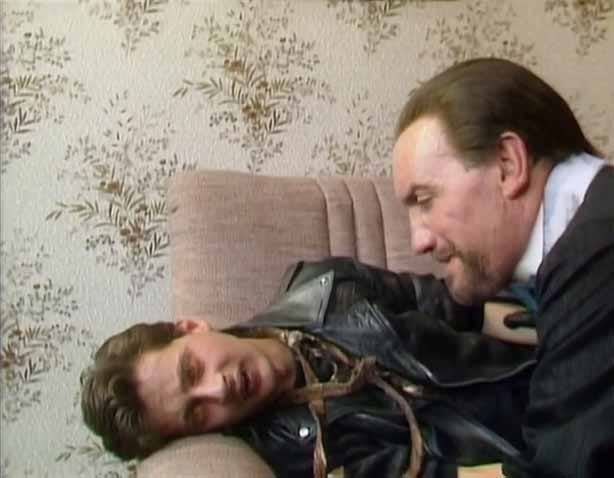
One can only guess at what might have followed had the show continued. I love the gentle studio-bound stories and hope more would have been made, but Survival really points to the future, a show that would have “responded” to the 1990s. (Interestingly, the revival 16 years later picked up somewhat on the grittiness of this story - but lacked any of the depth.)
Curiosities
An Unearthly Child (unbroadcast “pilot” version)
Despite being largely re-shot, this original mounting of the first episode miraculously survived in a mislabelled film canister. Of course, given the production standards of the time and then its subsequent treatment, it isn’t in great quality. I recall one person saying “it looks like it was filmed through a jam jar” - but that adds to its charm. This version is interesting for the changes that were later made. For example, the Doctor is even more sinister than in the broadcast version.
The Edge of Destruction
This very early 2-part story is notable for being a “bottle episode”.
Spearhead from Space
This Third Doctor outing is notable for being the only 1963-89 story shot entirely on film. The original materials still exist so a Blu-ray release in HD was possible. It’s a good story in itself, but is also interesting as a demonstration of how different single-camera film production was from multi-camera video production; the whole tone is affected, with the camera being more dynamic, the pacing more urgent, and the cosiness of video replaced with the rough realism of film.
The Sontaran Experiment
Conversely, this Fourth Doctor story is the only one to be shot entirely on video (until that became standard in 1986). It’s not a great story by any means but makes for interesting viewing. (For more of this style of production, see the list at the end of my Survivors guide.)
What I would have liked
Obviously, I wish they hadn’t junked the tapes from the first three eras. I love the evocative title of The Wheel in Space and it saddens me that I will never get to see that story (though in reality it would probably be a disappointment as I really don’t get along well with the 1960s stuff).
Also, all of McCoy’s stories should have been four-parters. Stories like Ghost Light, Survival and even The Happiness Patrol have such interesting worlds that they are crying out for more time to develop. (The latter actually has enough deleted footage to make a fourth episode.)
Most of all, I wish the show hadn’t been cancelled! It was really getting back on its feet. It’s a tragedy that the axe fell when it did, at the worst possible juncture. The show had evolved into something not only good but utterly unique. Sadly, the moment in time has long passed and cannot be recaptured. We will never have what we could have had.
See my other TV guides here.
Thanks for that touching dive into nostalgia, Woes. I remember some of those stories well from my childhood. Doctor Who has mutated (spitefully) into a rotten parody of what it used to be; but these original series are still there for us to enjoy on home media. They can't take that away from us.
A good overview. Two classics not mentioned are 'Pyramids of Mars' and 'The Seeds of Doom.' 'Pyramids' has a real sense of horror, and also Tom Baker at his most serious. 'Seeds of Doom' has a great cast and story. The various human villains are well written and acted, especially the misanthropic Harrison Chase. The krynoid is genuinely alien and menacing.
In the Jon Pertwee era, there's also 'Day of the Daleks', and 'The Green Death' which is not the best story, but is a quaint expression of 1970s hippy politics.
For the Patrick Troughton era, 'The Mind Robber' is a strange and slightly surreal story. His last one 'The War Games' is a ten parter that is too long winded, but has its moments.
Going right back to the start, 'The Daleks' (starting with 'The Dead Planet') is good, although made on a very low budget in 1963. 'The Time Meddler', set in 1066, is also worth watching.