


Just two days after I published an essay which said “soon enough there will be some new thing” to inflame tensions in Britain, some new thing happened. A super-injunction was lifted on a government action from 2023. A super-injunction is when something can’t be said and the fact there is something that can’t be said also can’t be said. The aim is to maximally cover something up.
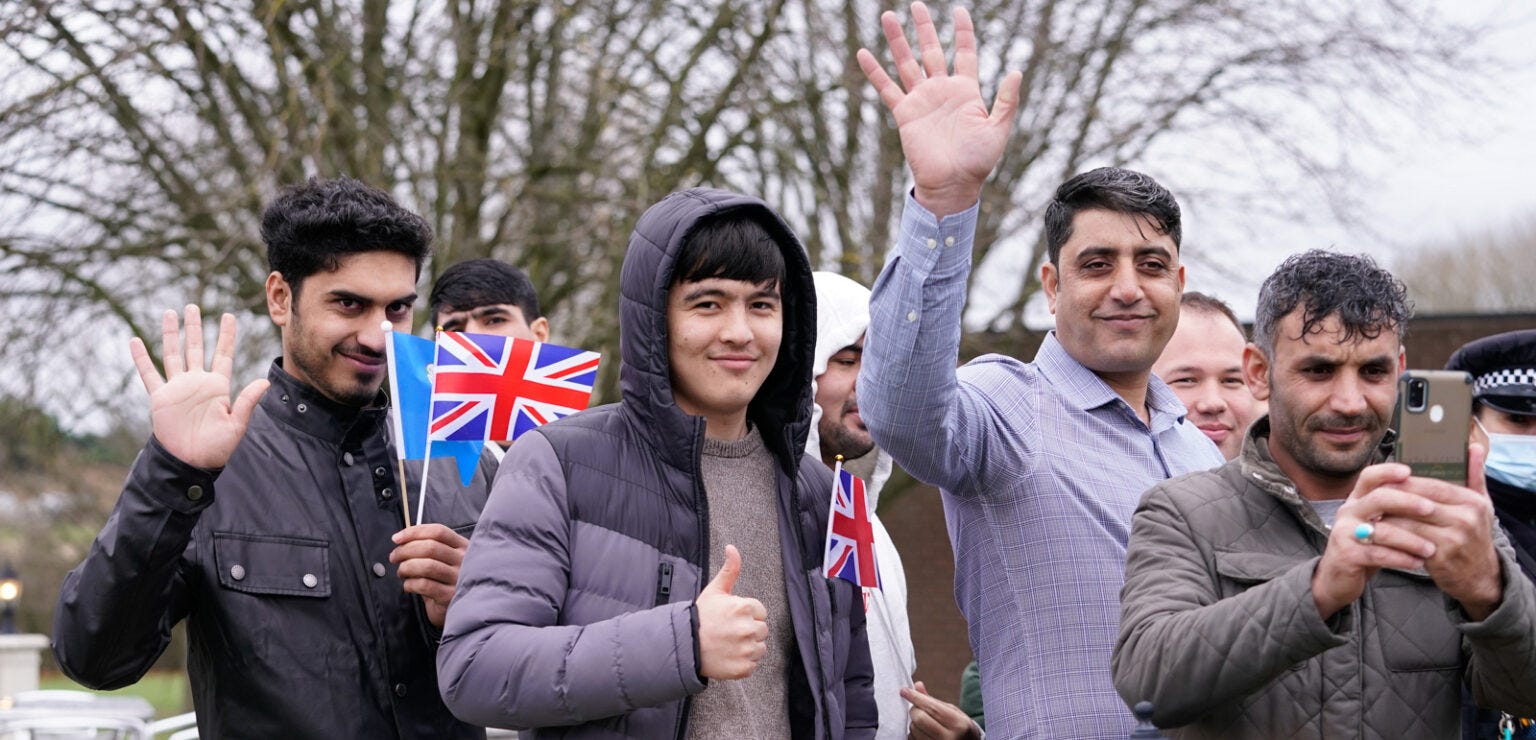
In August 2021, Western forces (including Britain) withdrew from Afghanistan. In the tumult, the Taliban regained power immediately. (This made the twenty-year war, ostensibly to depose and keep them out of power forever, almost completely pointless.)
Afghans who had assisted Western forces in various capacities during the war, or served in the Western-backed army, were at risk of retribution by the newly-empowered Taliban whom they had worked against. At the time, a Taliban spokesman insisted that these people were in no danger:
We are assuring the safety of all those who have worked with the United States and allied forces, whether as interpreters or any other people that have worked with them. As for their talents and their skills, we do not want them to leave the country. We want them to serve their own homeland.
However, the New York Times later reported that at least 500 of these people had been killed.
Seven months before the withdrawal, the British government had announced a scheme (ARAP) to bring such people to Britain because of exactly this danger. People could apply and be considered. It was a special asylum scheme with expediting because they had assisted Britain in a war “so we owed them”.
In February 2022, a Royal Marine working at the Ministry of Defence trying to identify fraudulent ARAP applicants emailed a list of names to someone outside the ministry. He thought he was sending about 150 names but accidentally sent the entire list of 18,714.
The email’s recipient passed the list to an Afghan living in Britain, who passed it to others, including people back in Afghanistan. One of them, after his own ARAP application was rejected, decided in August 2023 to post some of the list on Facebook and threaten to leak the whole thing.
This, 18 months on, was when the British government became aware of the data breach.
The man’s goal was to force the British government to grant him asylum. They asked him to take down the names from Facebook. Of course he refused. As a result, his case was “reviewed” and he is now living in Britain. It is unknown how many, if any, relatives he brought over with him, but apparently he is not facing criminal charges for blackmailing his way into this country.
The Taliban had been in power for two years by now. In addition, some believe the Taliban had known everything from the moment they seized power anyway. Nevertheless, the government believed the named people would be severely endangered were the list to be published. Defence Secretary Ben Wallace sought an injunction against anyone publishing it. He requested an ordinary injunction and only for a period of four months. The judge, Justice Knowles, made it a super-injunction and actually a global super-injunction - the first of its kind.
Ben Wallace was replaced as Defence Secretary by Grant Shapps. He is responsible for what happened next.
Most of the people on the list were accepted through ARAP. For the others, the government devised a new scheme in November 2023, the Afghanistan Response Route (ARR). Since it was devised as a consequence of the data leak, it too would be kept secret from the public and Parliament. It launched in April 2024.
On multiple occasions the government - first Conservative then Labour - applied for the super-injunction to be extended, so it ended up lasting nearly two years. This could have been for two reasons:
it was to keep the names hidden from the Taliban
it was to keep the ARR hidden from the British public and Parliament
ARR brought 900 individuals to Britain along with 3,600 relatives. (4,500 Afghans is roughly enough to permanently destroy 45 English towns.) The cost of ARR alone is estimated at £850m but of course that isn’t taking into account all the crime they will commit.
Of the 18,714 people on the leaked list, 16,156 are now living in Britain. Since the scandal broke, it has been reported that ministers believed most of them to be “bogus asylum seekers” who had never helped Western forces but heard about the asylum schemes and simply tried their luck.
With the three different schemes, the government has imported a total of 35,245 Afghans each bringing an average of eight relatives (totalling about 150,000). The cost is estimated at between £5.5bn and £7bn. If a court orders that compensation be paid to those whose details were leaked, that will add another £1bn to the bill.
These numbers of people are mind-boggling, but in truth they were publicly disclosed long before this current furore. (For example, in January 2022 the BBC said one scheme, ACRS, would bring 20,000 Afghans to Britain.)
As recently as February 2025, the policy was to keep ARR open for five more years, potentially bringing another 25,000 Afghans to Britain.
In January 2025 the current (Labour) government ordered a review which concluded that the leaked data would not increase the risk to Afghan collaborators since the Taliban probably already know the names, and are, in any case, more concerned about their current opponents.
As a result, Justice Chamberlain lifted the super-injunction on 15th July 2025. The current Defence Secretary John Healey then revealed the data leak and the ARR scheme in Parliament. But really, the fact of the British government importing many tens of thousands of Afghans had been known for a long time.
The two other schemes, ARAP and ACRS, were closed to new applicants on 1st July. ARR was closed when the super-injunction was lifted, presumably in anticipation of public outrage upon learning of its existence. However, from all three schemes, many applications are still to be processed, and the Labour government has said the commitment will be honoured.
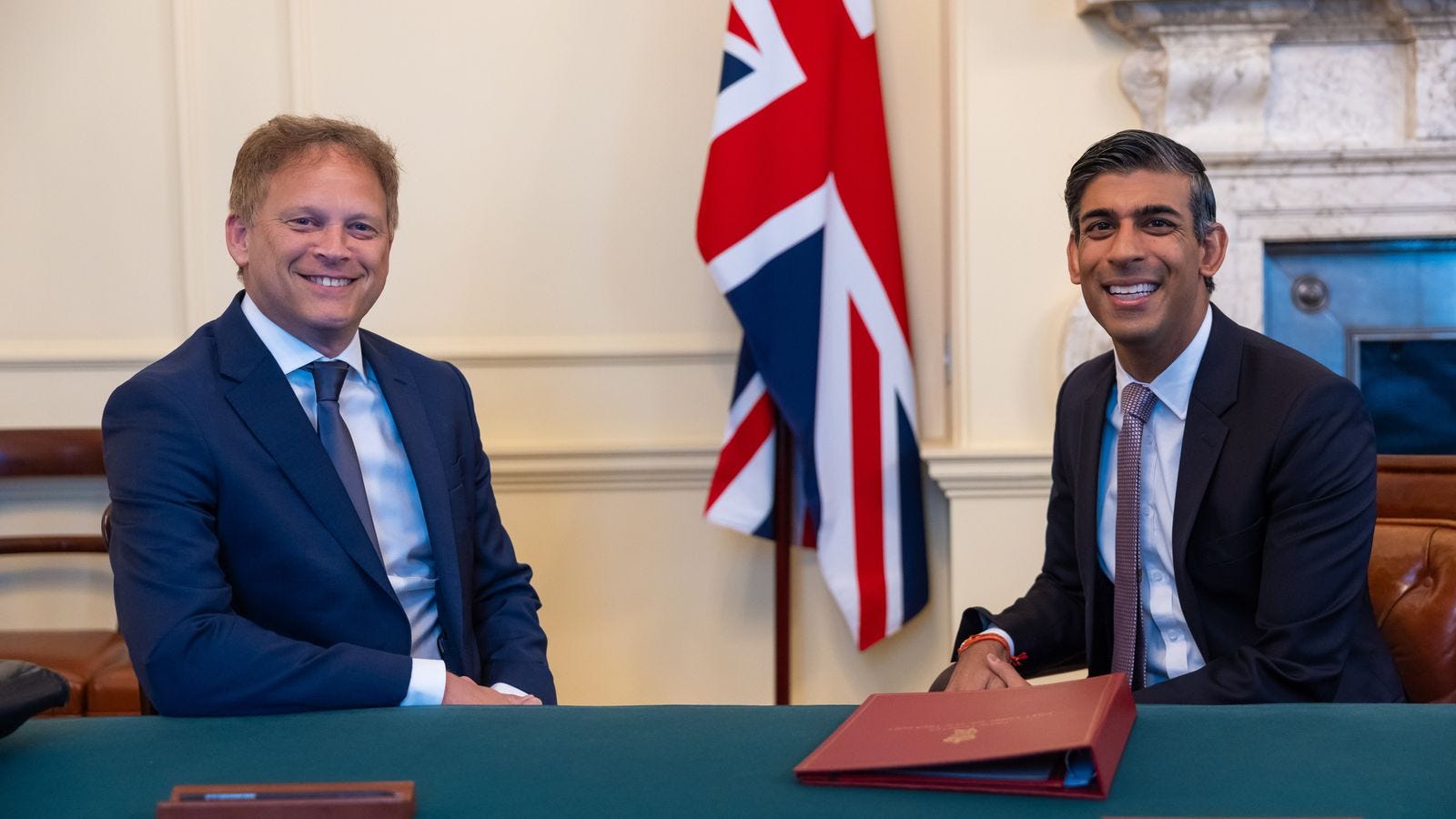
From the point-of-view of a globalist government for whom all people are equal, equally valuable and indistinguishable in attributes, it makes sense to do what the British government did. In this interpretation, their actions might have been harmful to the British people (including army veterans) but were not malicious, being instead borne from a sense of obligation to individuals who had risked their lives to help Britain. When an error on our side caused their names to be leaked, that meant we were responsible for the danger to them being increased and were therefore even more obligated to them. All of this is assuming a genuinely egalitarian government that sees all people as “the same”.
Even then, though, one should bring in the context. There is the widespread belief that many of the applicants were lying about having helped the British. But even if they weren’t lying, these individuals had helped the British army and thereby the British government, but not the British people. The war in Afghanistan did not help the British people in any way. Why our government ever waged it remains a mystery to us. Another mystery is why we owed such people anything in the first place, given that we were supposedly working to save their country - why reward them for assisting us in that? Ah, you might say, but we lost the war and thus failed to save their country. To which I would respond: yes, but so what? Additionally, if these are the kinds of people who only try to save their country when their personal safety is guaranteed… do you really want that kind of person in Britain?
